Black and White Photography

Black and white strips a photograph back to light, shadow, tone and form. This collection gathers five tutorials on seeing and working in monochrome: Mark Wallace’s zone-based approach to high-contrast conversions in Lightroom, three of Gavin Hoey’s studio shoots that sculpt thin beams of light and recreate the film noir look with flash and speedlights, and nine field-tested tips for black and white street photography.
Using Zones for Black and White Photography

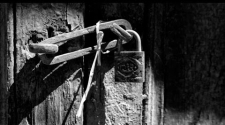
Mark Wallace shares his abbreviated take on Ansel Adams's Zone System for contrasty black and white images. Working in Lightroom, he identifies five zones: blacks, shadows, mid-tones, highlights and whites, then shows how to set mid-tones and clipping points, shift zones for drama and use colour sliders to control the conversion.

Film Noir Portrait Shoot

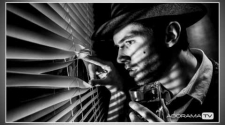
Gavin Hoey turns his small home studio into a private detective's office for a film noir portrait. A venetian blind, a perspex window and a low, gridded key light build the mood, with two more lights adding separation and motivation, before a high-contrast black and white conversion in Camera Raw.

Thin Beam of Light Portraits

Gavin Hoey shapes a flash into a thin slot of light with a snoot, gaffer tape and cardboard packing tubes, then shoots three portrait looks: a tight beam across the eyes, a long streak raked down a wall, and a softer diagonal beam paired with blue and red gels.

Film Noir with Speedlights

Gavin Hoey lights a private detective's office set with four speedlights, building the scene one light at a time: streaks through a venetian blind, a high backlight for separation and smoke, a snooted light on the face and a motivated desk-lamp glow, before a contrasty mono edit in Camera Raw.

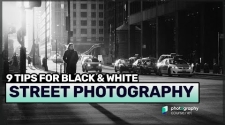
9 Secret Tips for Black and White Street Photography

Nine tips for stronger black and white street photography: think and pre-visualise in monochrome, choose a spot where light and shadow separate subject from background, shoot raw, switch the viewfinder to black and white, apply composition rules, use motion blur, manage depth of field deliberately and, above all, be patient.